
Ivanović
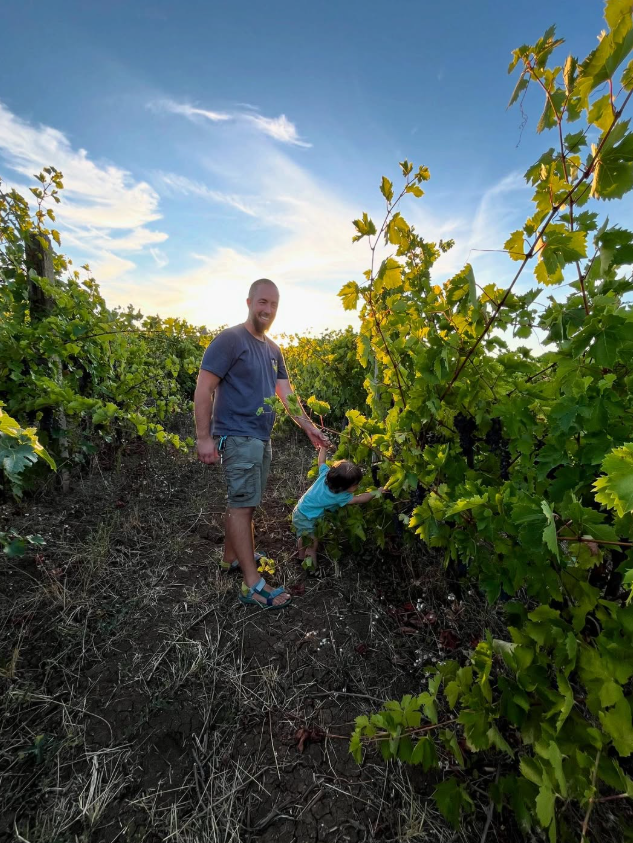
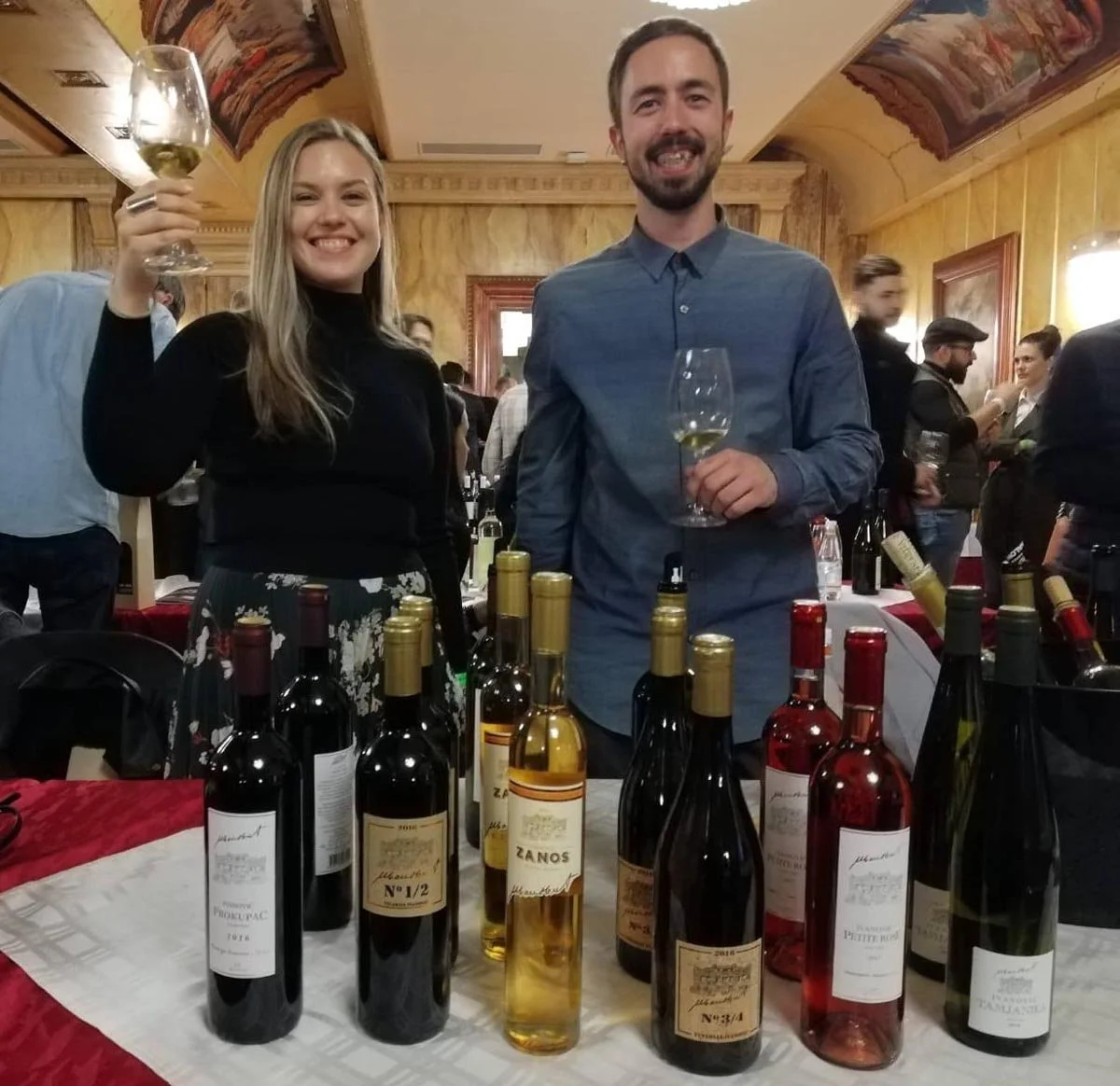
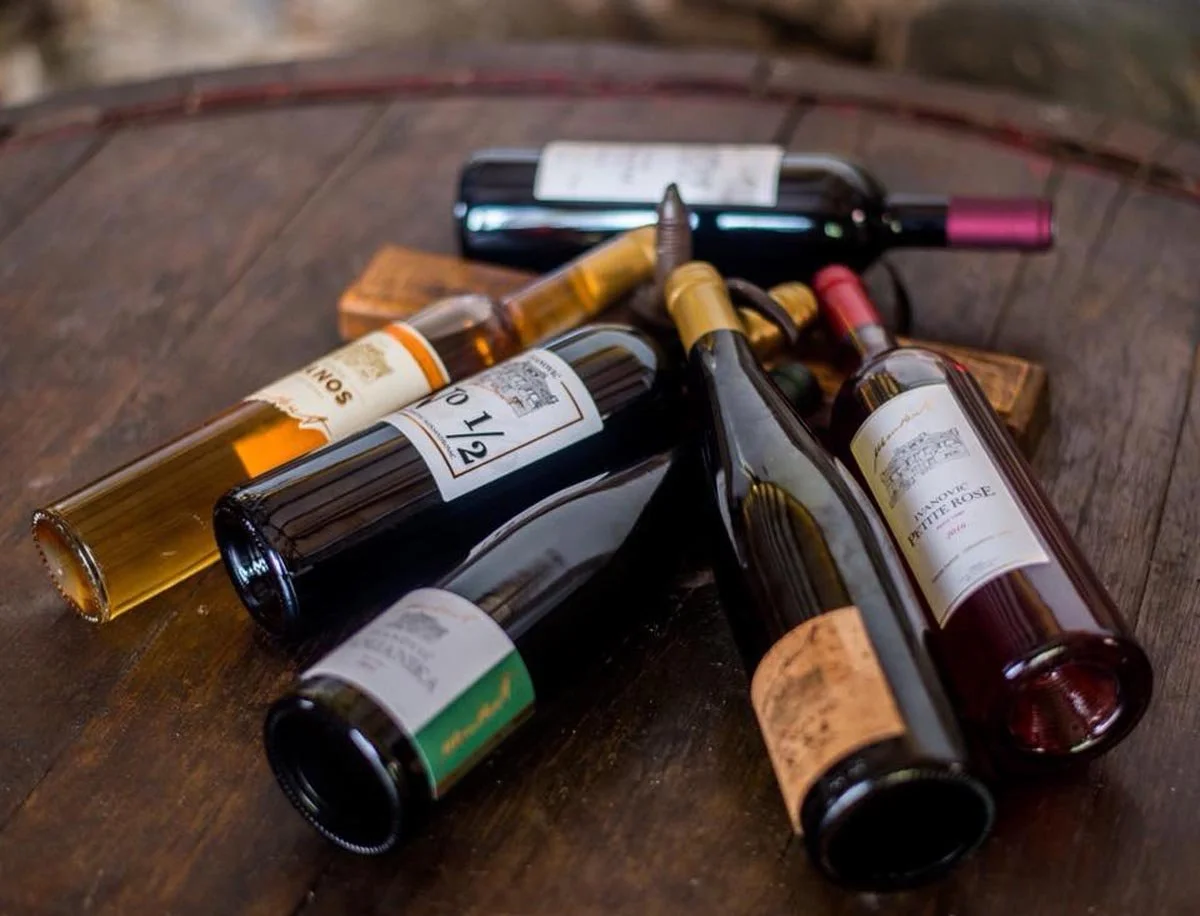
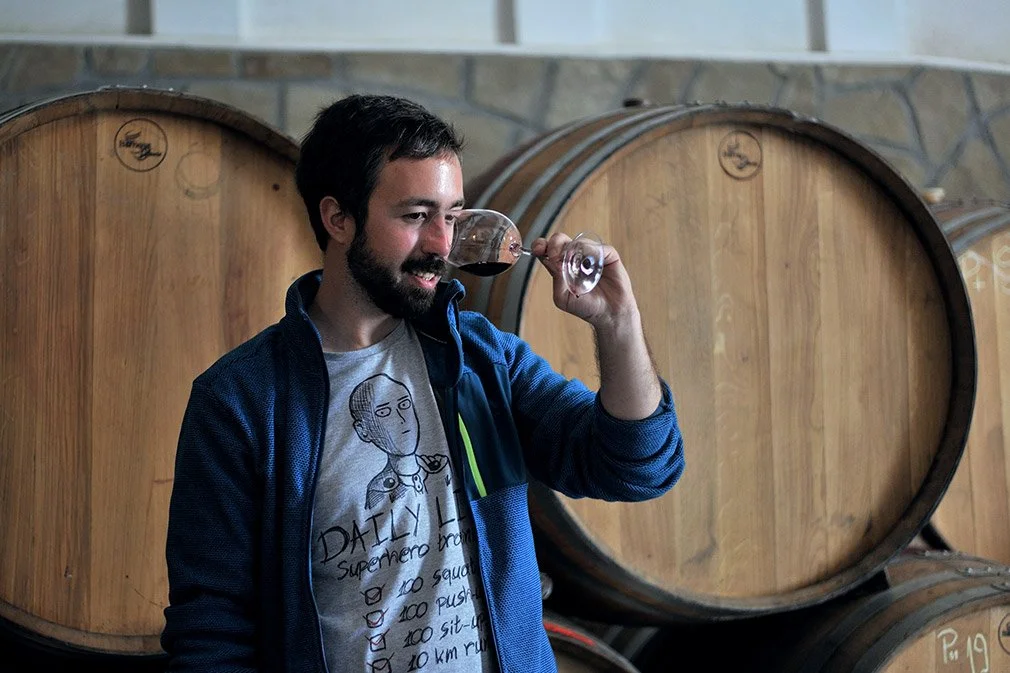
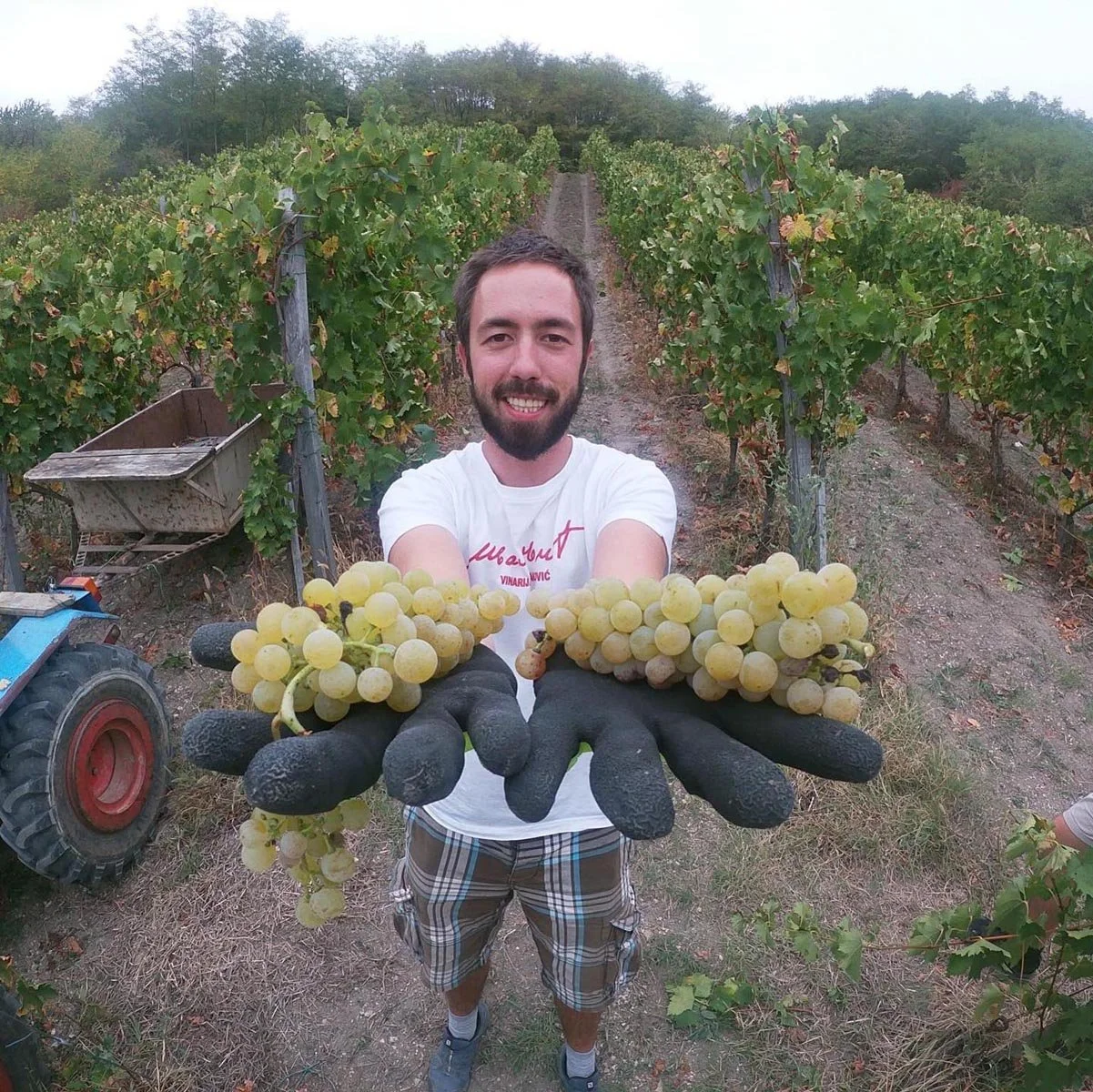
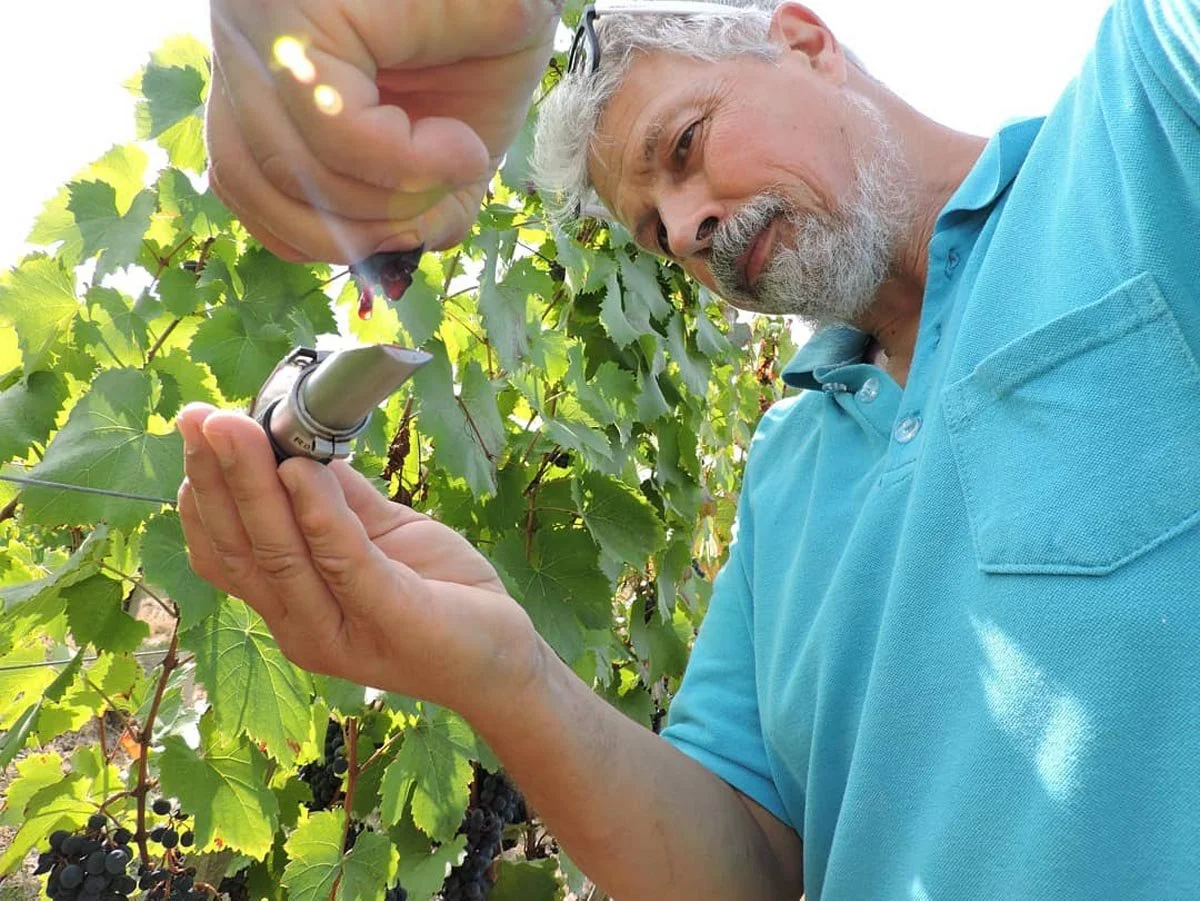
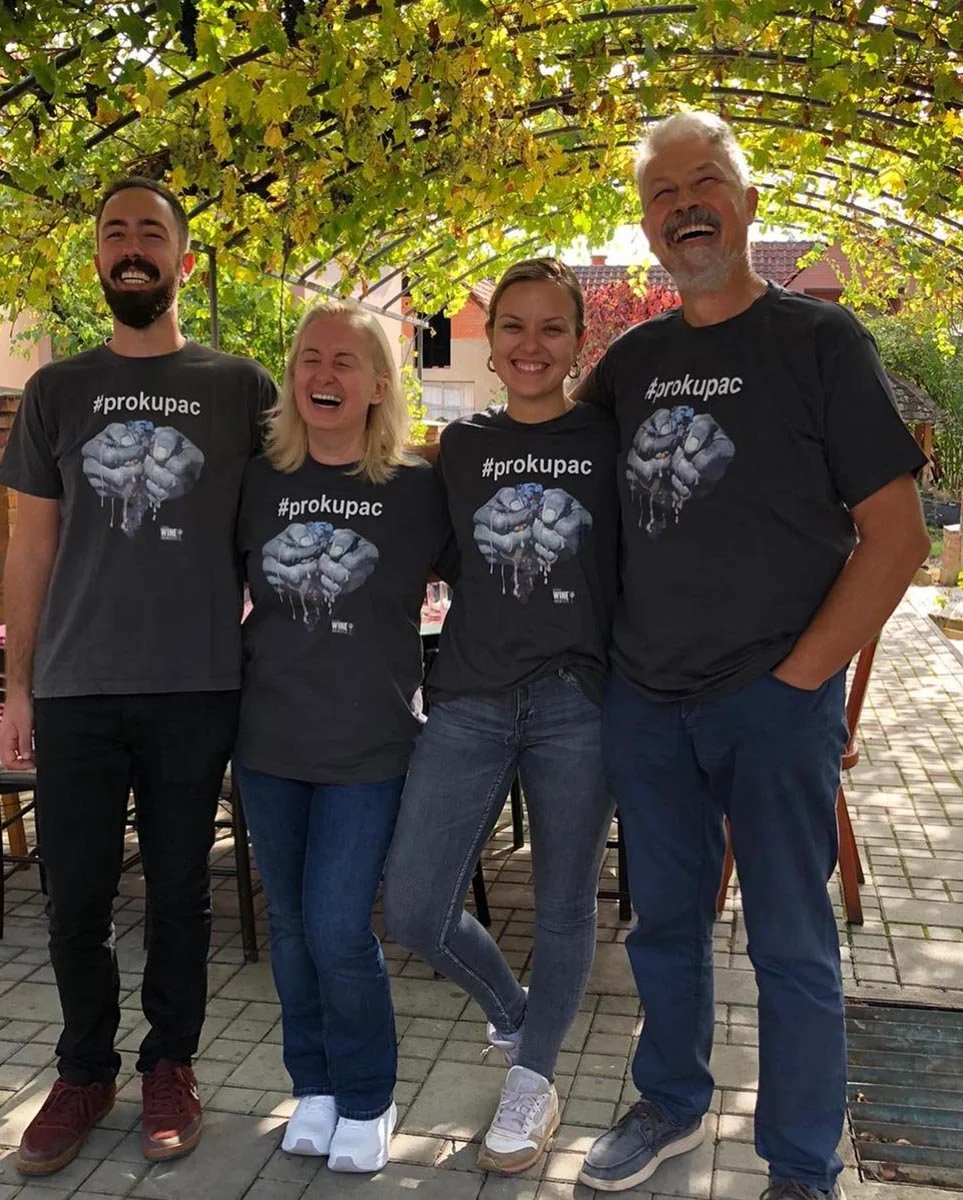
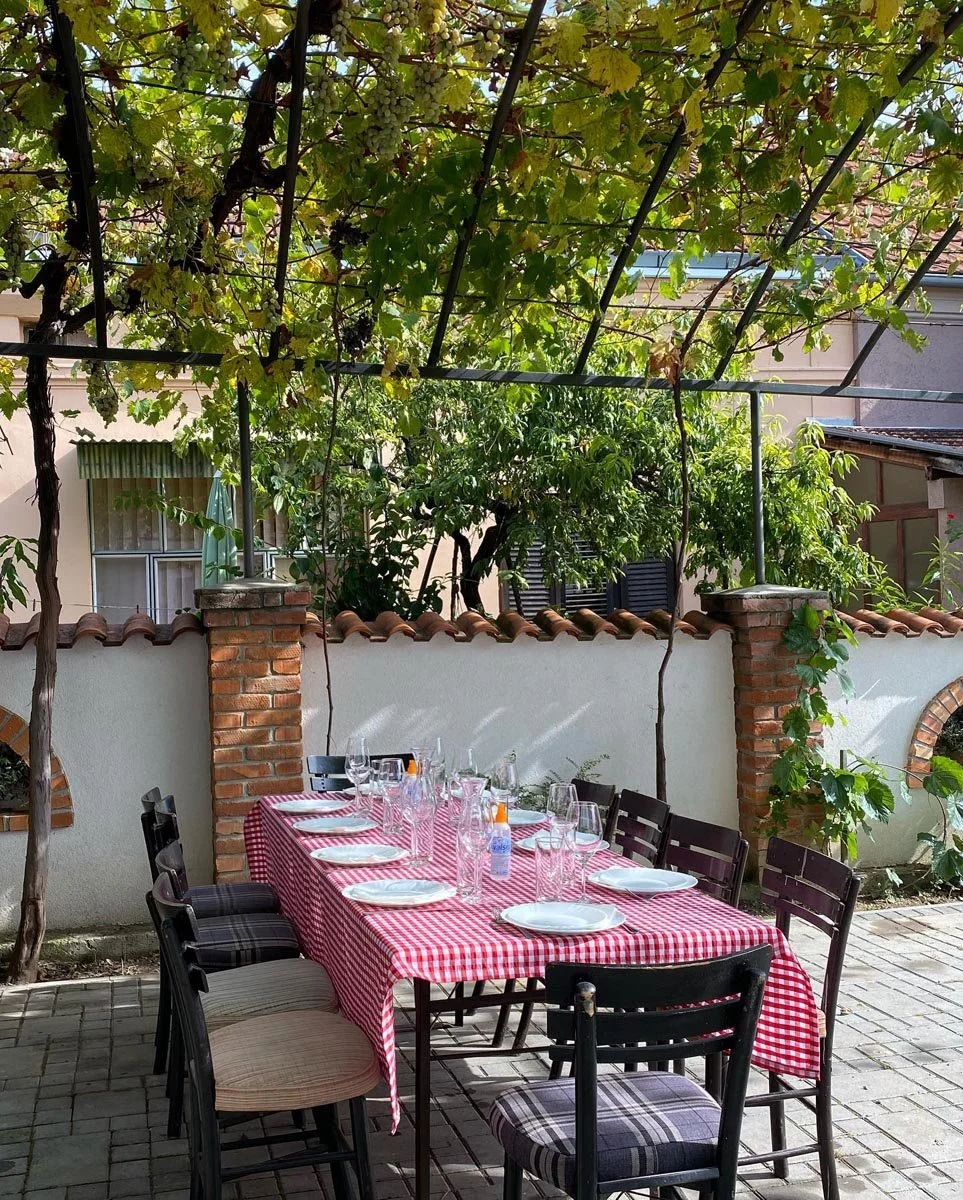
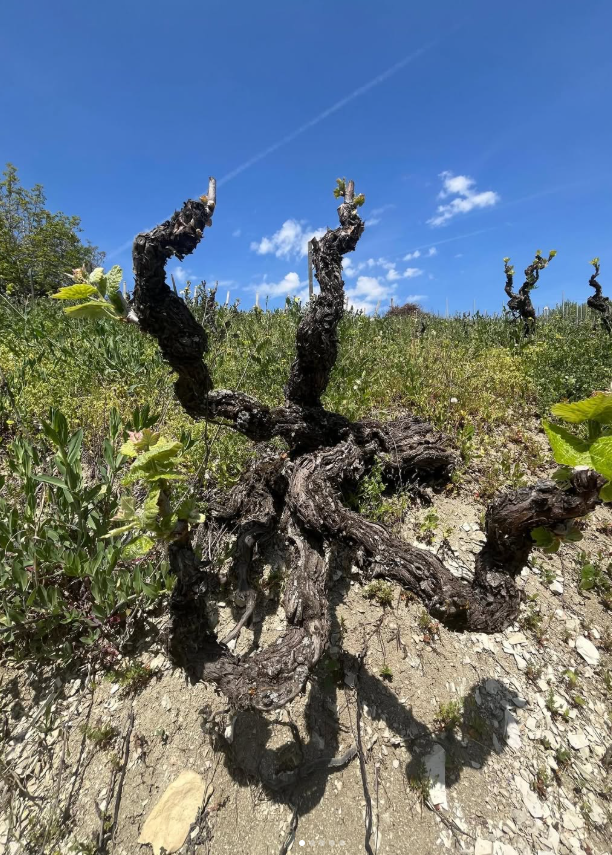
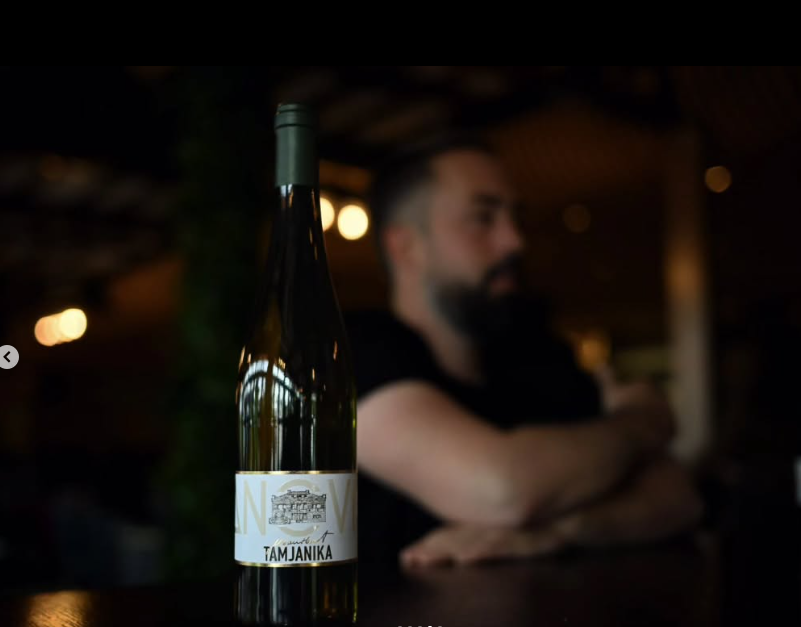
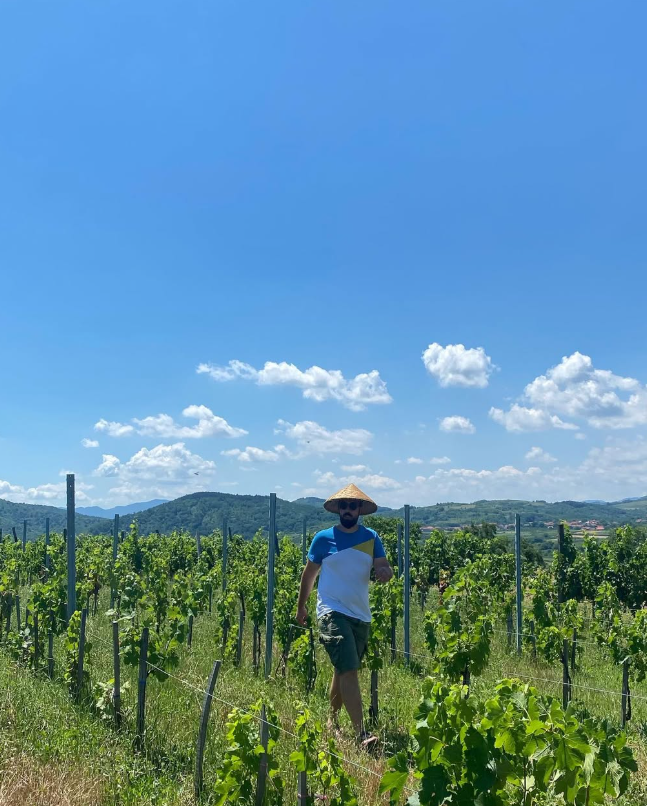
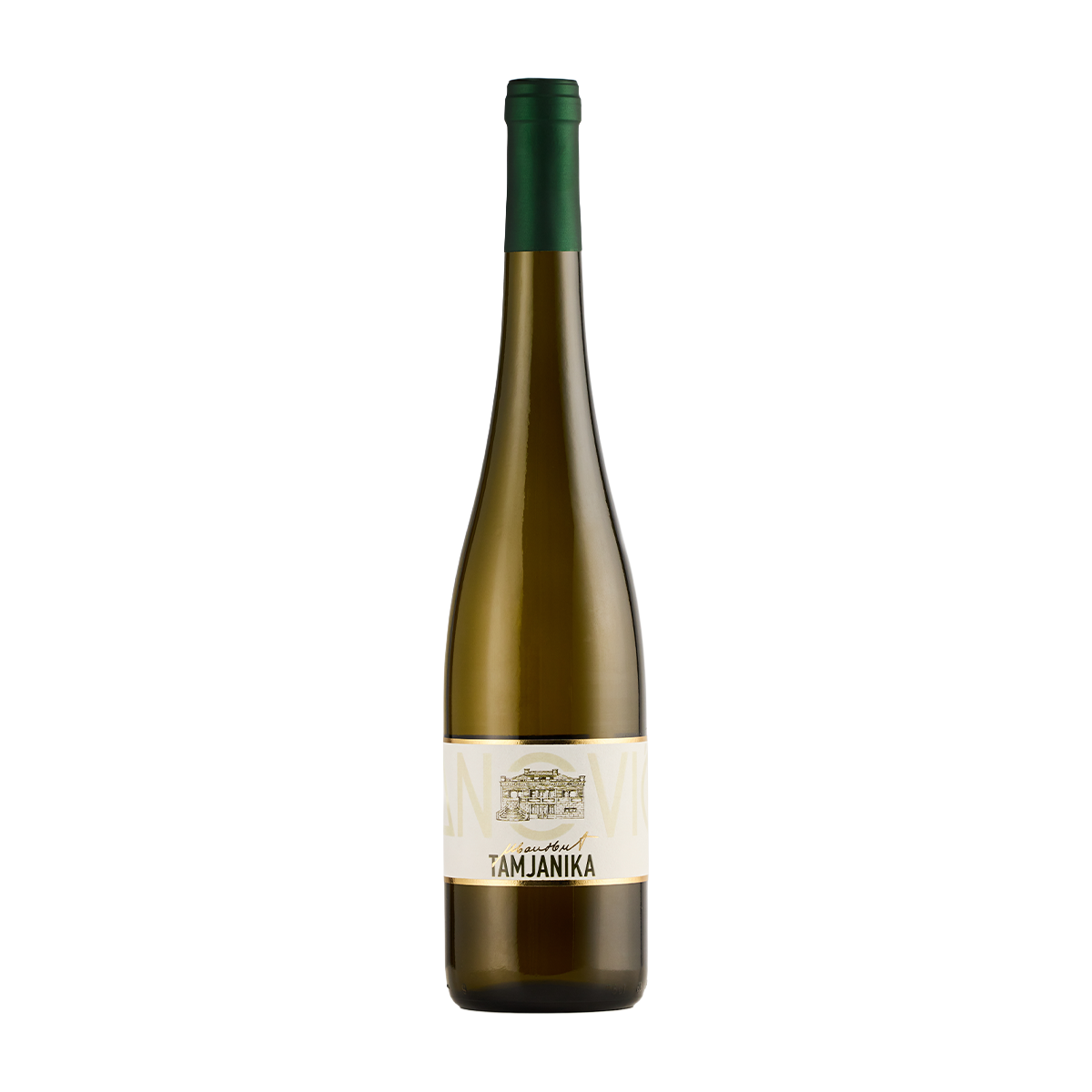
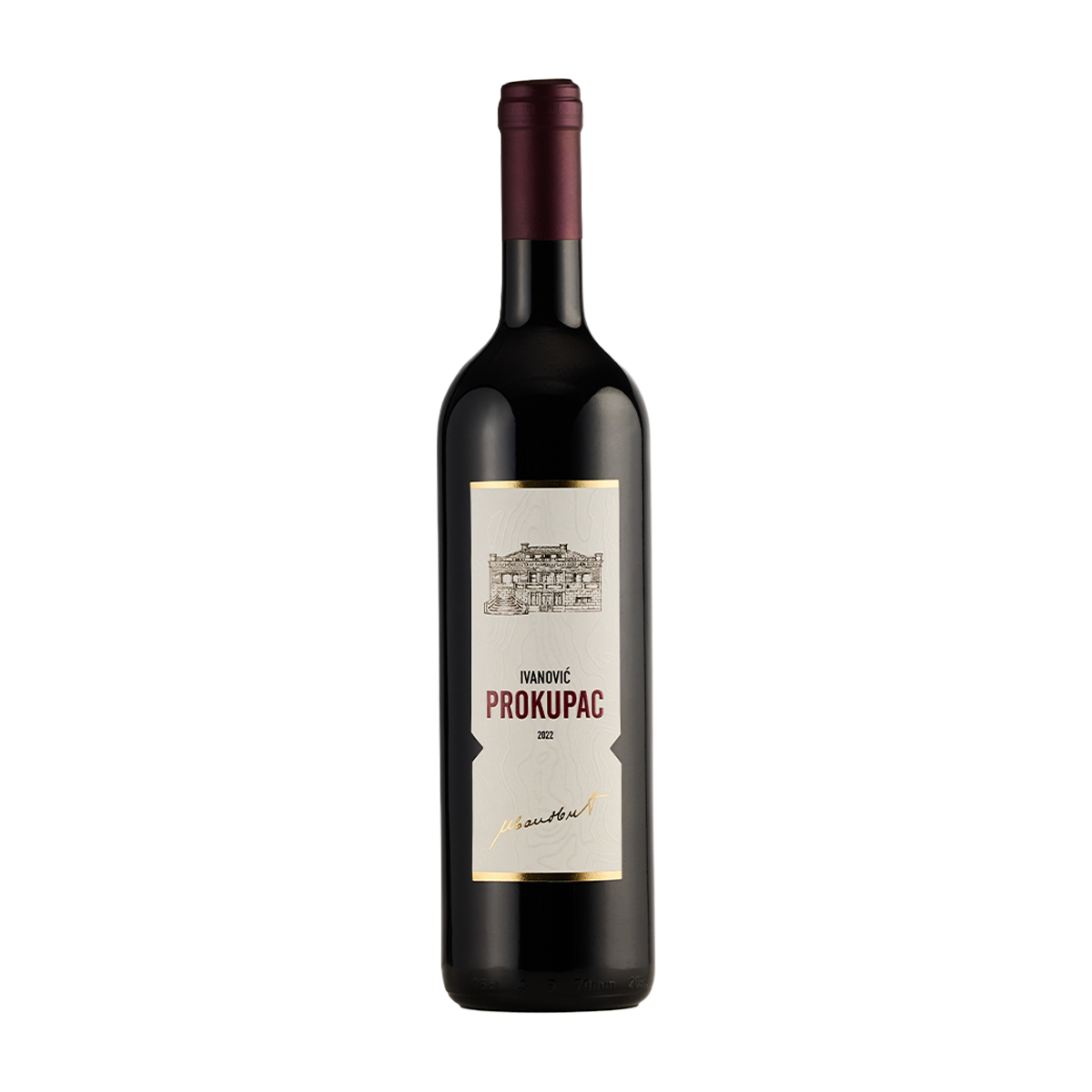
The Prokupac (pro-koo-pahtz) grape has one of the richest histories in Serbia’s viticultural tradition, tracing back to medieval times and persevering through challenging periods of history that worked to suppress wine culture. But in the remote region of Aleksandrovac, amongst the steep hills and rocky terrain, Prokupac was preserved. Here, Ivan Ivanović continues the family's tradition of tending old vines of the indigenous varieties, Prokupac and Tamjanika, and making wines that many consider “Serbia’s finest”.
The Ivanović family has been making wines for many generations, with the first operating winery beginning in 1919, established by Dragoslav Ivanović. The winery reached a sizeable production by 1939, and has continued operating without interruption, since that day, even though it was formally banned in 1946.
As a result of Yugoslavia’s focus on state-owned bulk production, during the second half of the 20th century, the winery operated at a smaller scale, in a ‘bootleg’ fashion, until 1996, when the grandson of the founder, Dragoslav ‘Gaga’ Ivanović, left his career as an organic chemist to return home and reinvigorate his family's passionate tradition for winemaking. He was a visionary who firmly believe in the potential of Serbia’s indigenous grape varieties, particularly Prokupac, and dedicated himself to its revival. Thus the first varietal Prokupac wine, and the first wine label ever to bear the varietal name, was released in the 2003 vintage under the Ivanović name. This marked a turning point in bringing back Prokupac from obscurity and restoring its place among Central & Eastern Europe’s great wines.
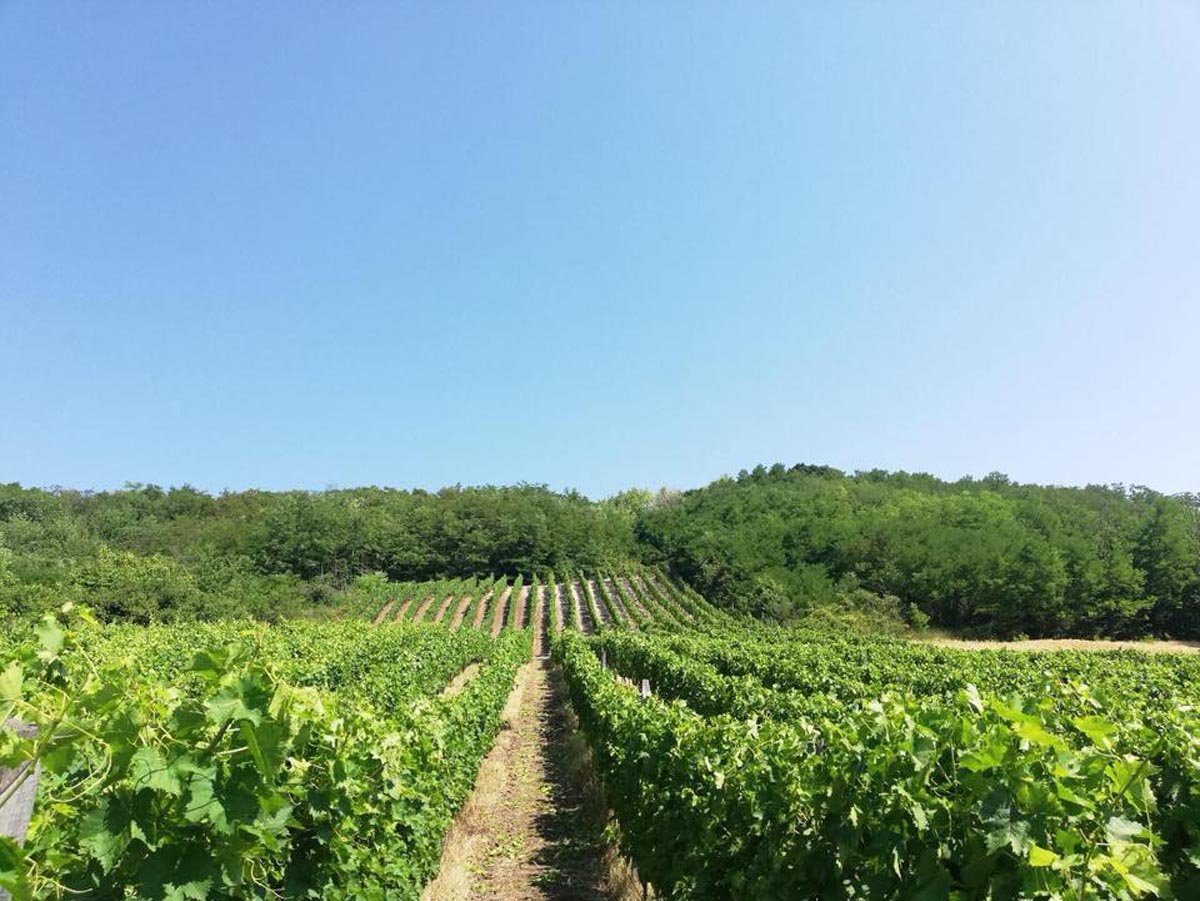
Now led by the fourth generation of family winemakers, Ivan, the Ivanović winery is iconic in Serbia, producing roughly 50,000 bottles per year and highlighting two of the country’s prized indigenous grape varieties. Located in Aleksandrovac, with scattered vineyards amongst the mountainous Župa region, the Ivanović family tends 13 hectares of vineyards - a portion contracted by longtime family growers – almost exclusively consisting of the Serbian indigenous varieties, Prokupac and Tamjanika, with a little bit of Riesling, and Merlot and Cabernet Sauvignon that they use for small blending additions. Since 2005 the Ivanović family has been working organically in the vineyards, and since 2021 have been certified organic. On average, the vineyards are 60 years old, with the youngest being planted in 2018, and the oldest dating back to 1925.
The Župa region is a prized terroir, confirmed by Ivan’s father when he collaborated in the early 2000s with an acclaimed agronomist from Burgundy who marveled at the tremendous microclimates, at elevations of 250-600 meters, and soil diversity offered in the region, ranging from clay-rich vertisols to young alluvial fluvisols. The region’s trademark limestone-rich soil type, found in the finest vineyards is known as belobrežina - literally »white hillside« - a chalky, pale-colored soil that drives concentration, complexity, and mineral depth in the wines.[i] Ivan’s father – Gaga – commonly shared a Serbian term for terroir – “podneblje” – literally translated to “under the sky”, or commonly translated to “climate”, but in the broader usage in the Serbian wine world, it can capture everything necessary for grape growing that may be found under the sky, including soil, microclimates, flora and fauna, but also people and their culture and knowledge.[ii]
Since Dragoslav ‘Gaga’ passing in 2020, Ivan, has carried on his father’s legacy, capturing pure expressions through natural production in the winemaking, and utilizing modern technology, but to minimal extents. All fermentations occur spontaneously with indigenous yeasts, and contain no additivites other than a small amount of sulfites necessary to ensure stability. Red wines are vinified using traditional open-top fermenters and aged are aged for a minimum of 12 months in 500L oak barrels, while whites are produced in a more modern approach, with temperature controlled natural fermentations. The goal is to create wines that express the character of Župa: a balance between tradition and innovation – elegant yet powerful.
Ivan and his family still reside in the historic original house, which is now a protected cultural monument, and an illustration that appears on all their labels. It is a symbol of the family’s resilience and tradition, with the new guardians carrying it on into the next generation.
Wines
Location